Efforts Underway to Achieve Better Results by Addressing Good Governance Challenges and Preventing Malpractice Through Research
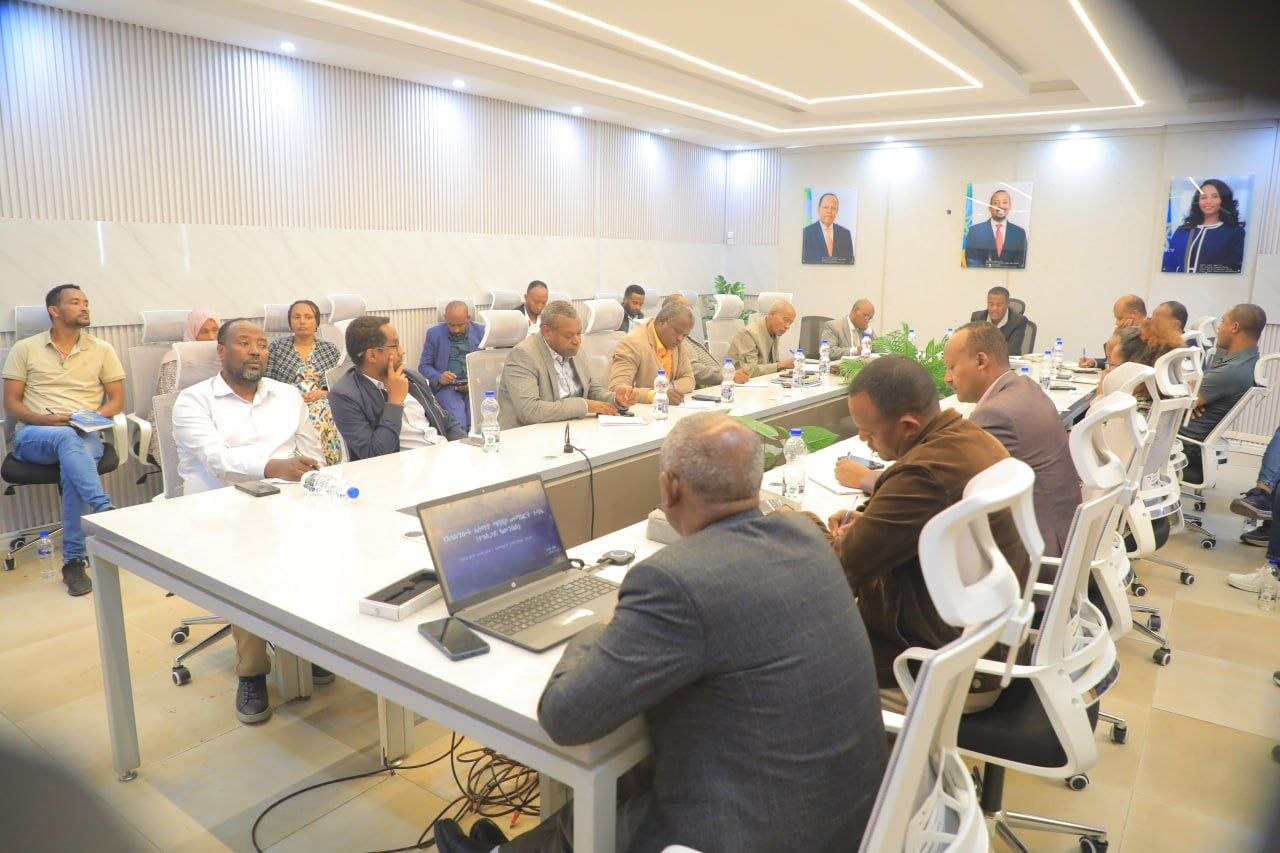
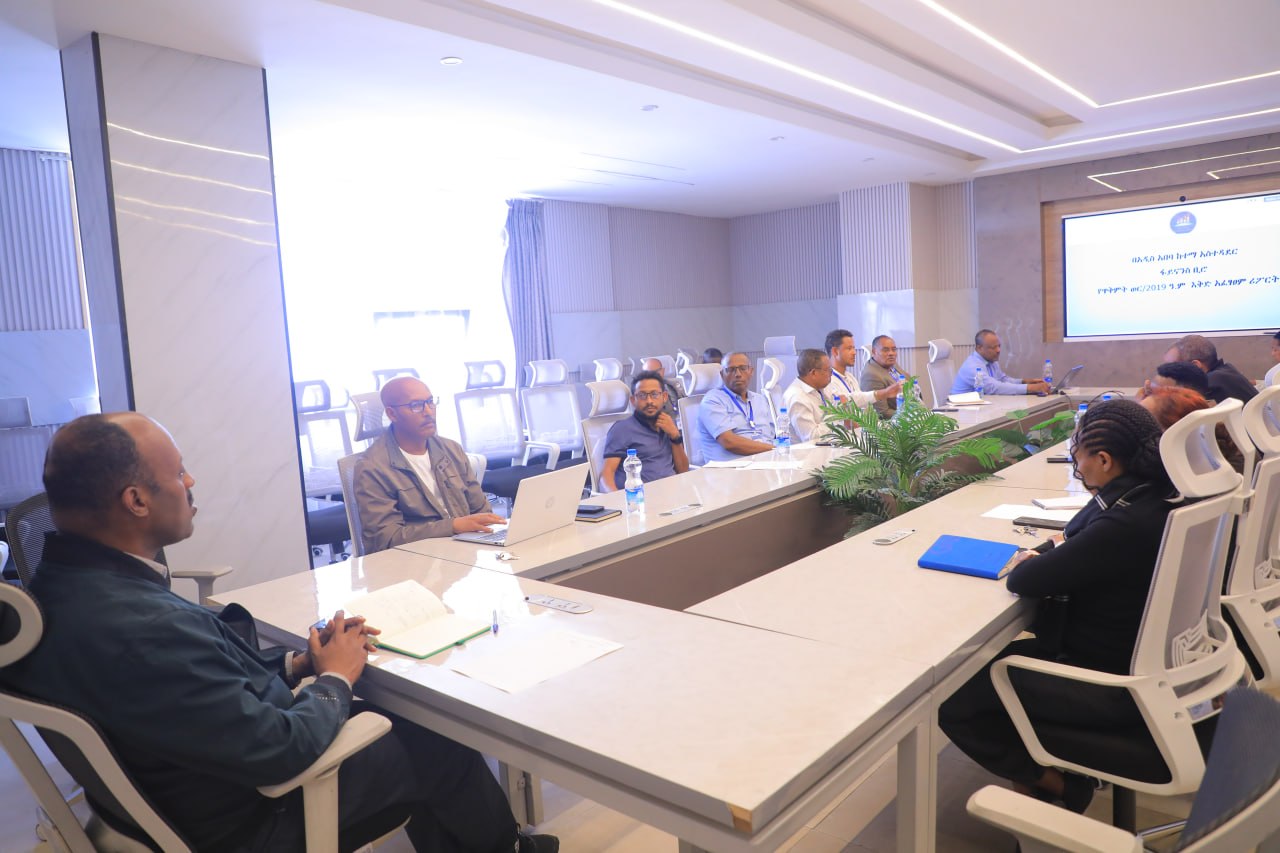
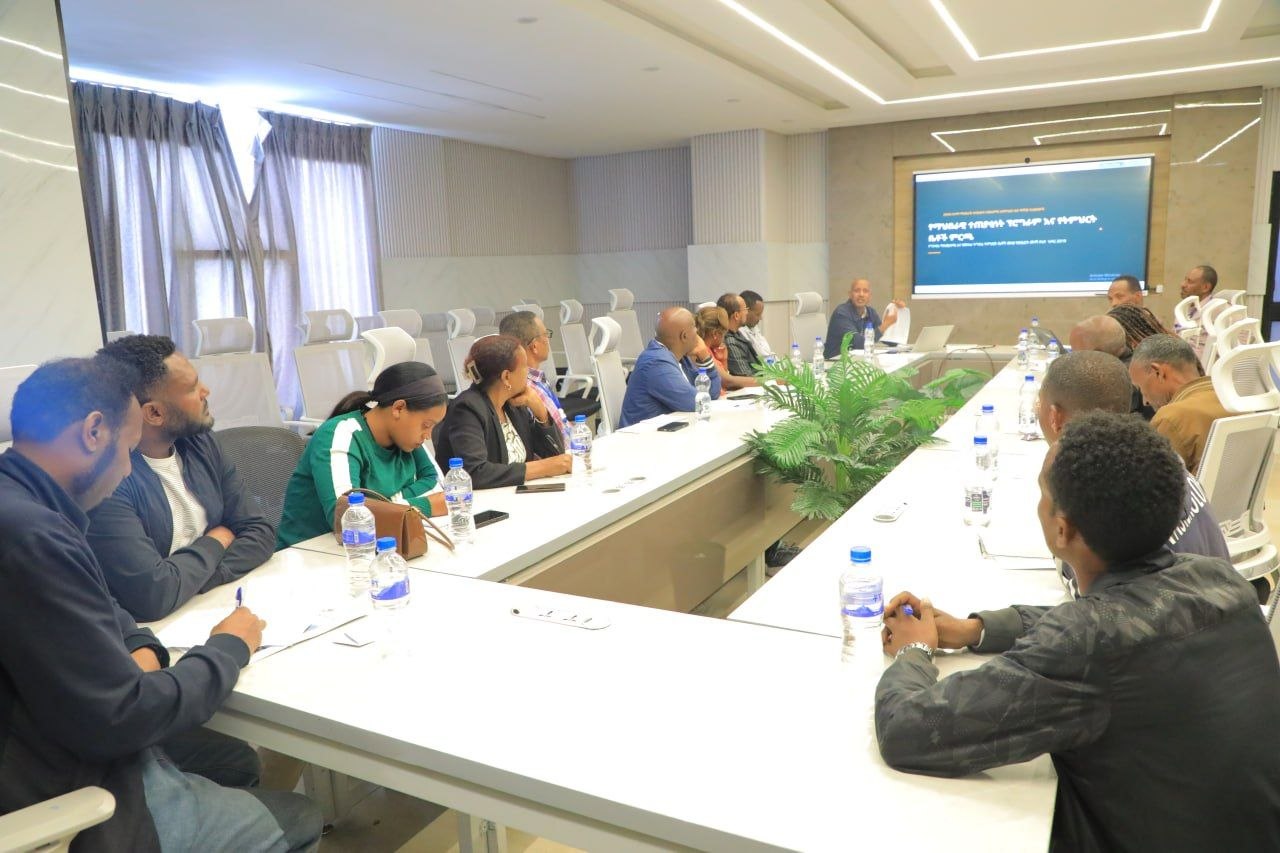
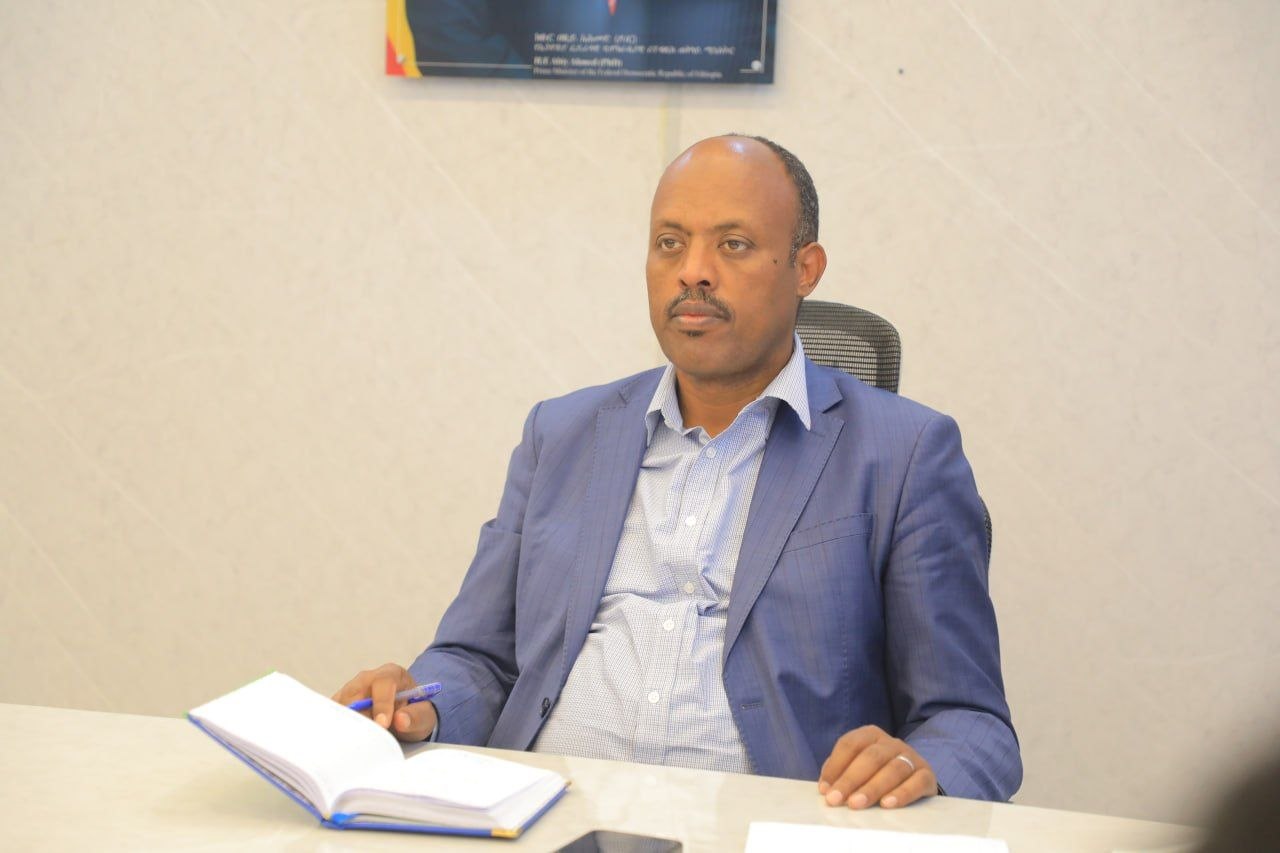
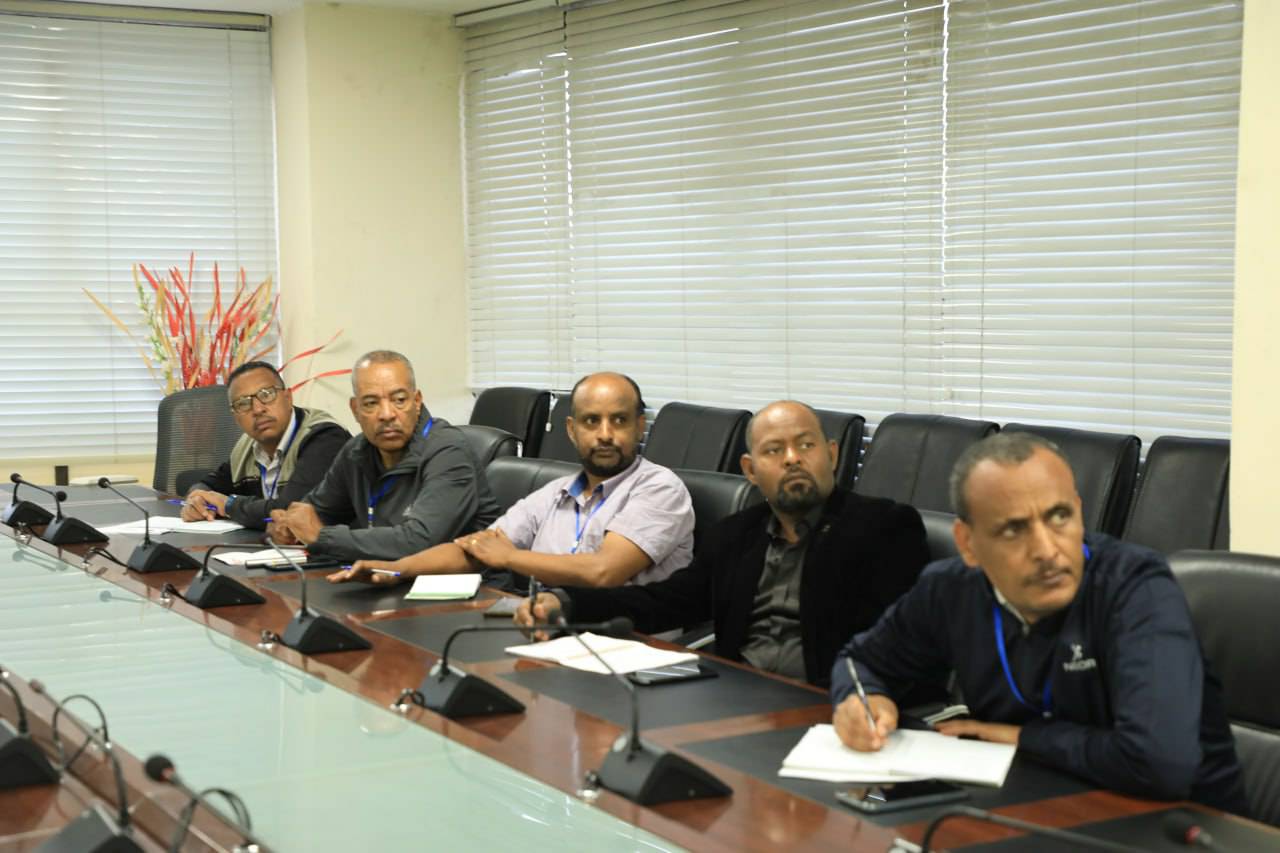
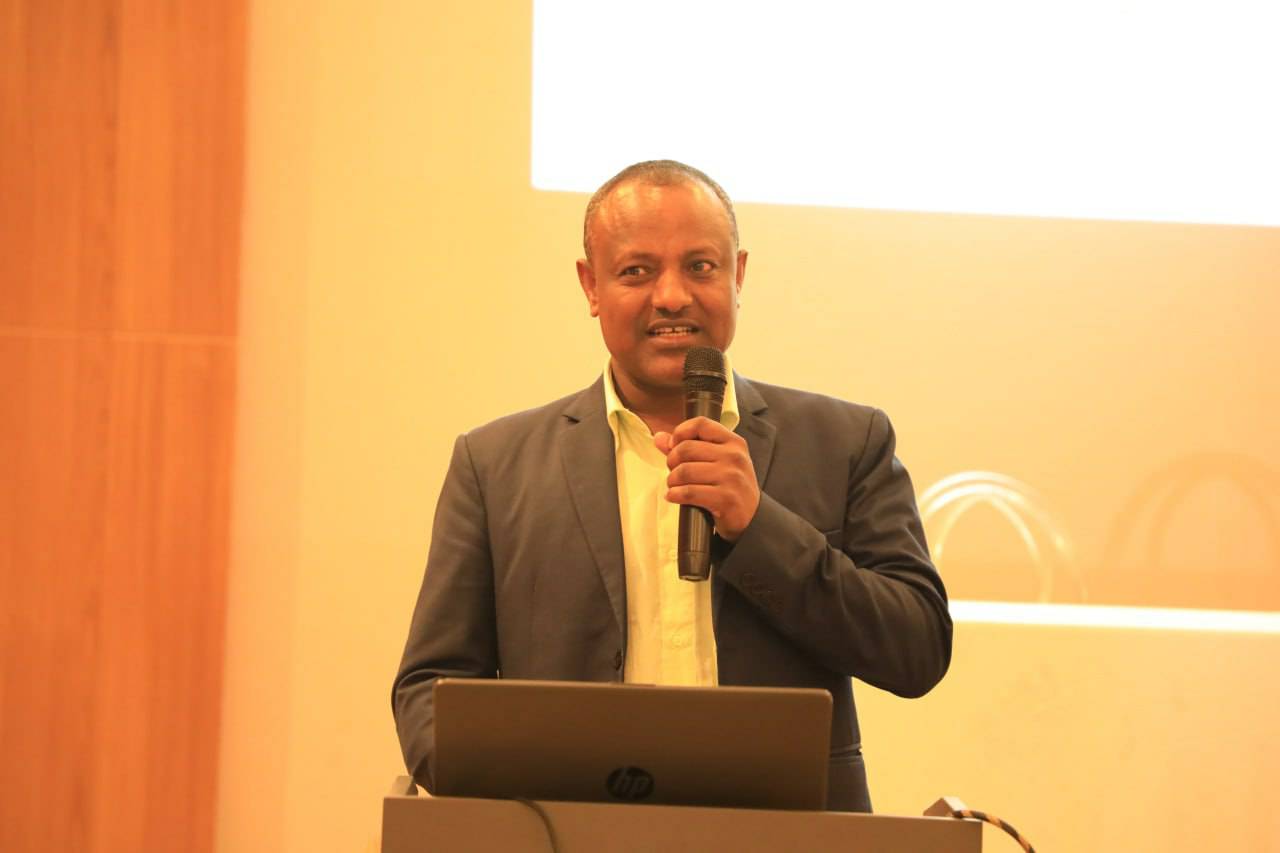
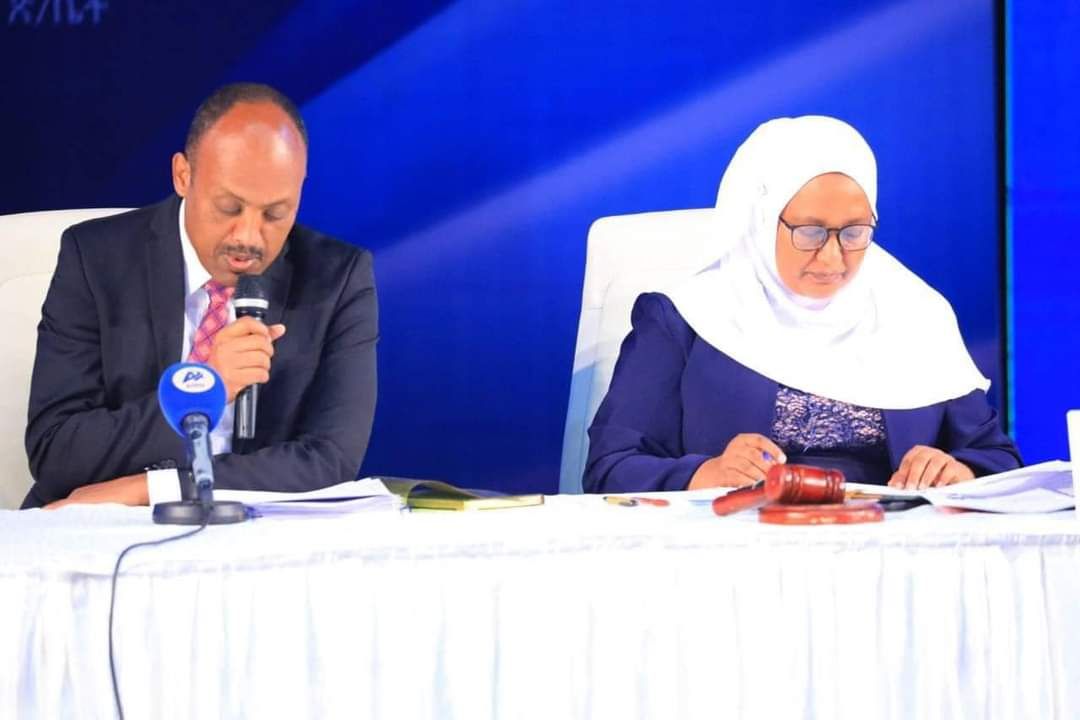
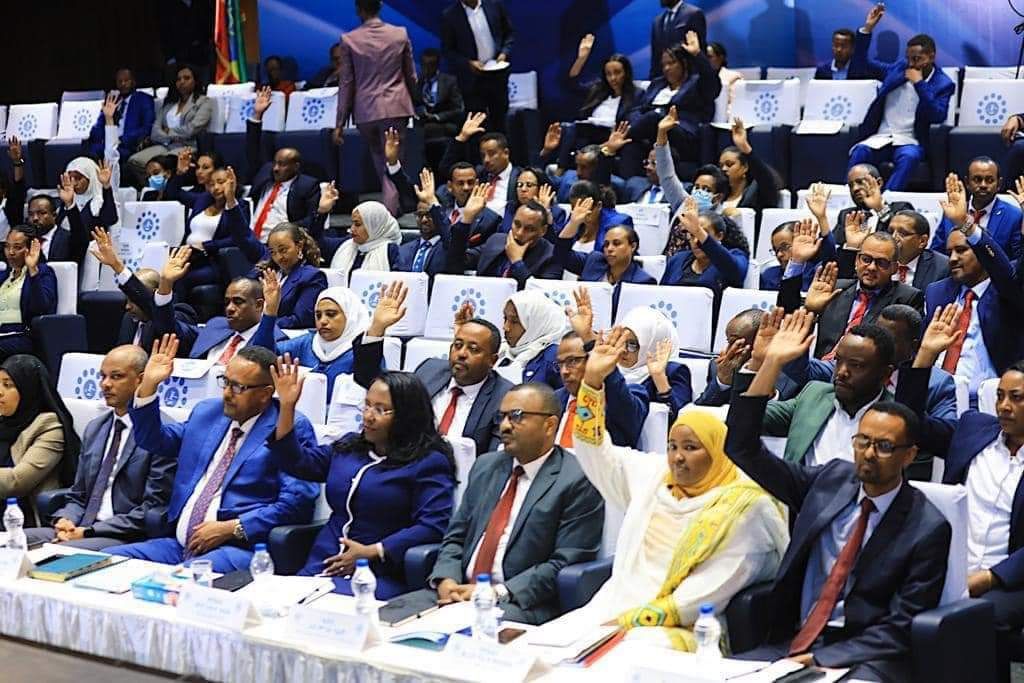
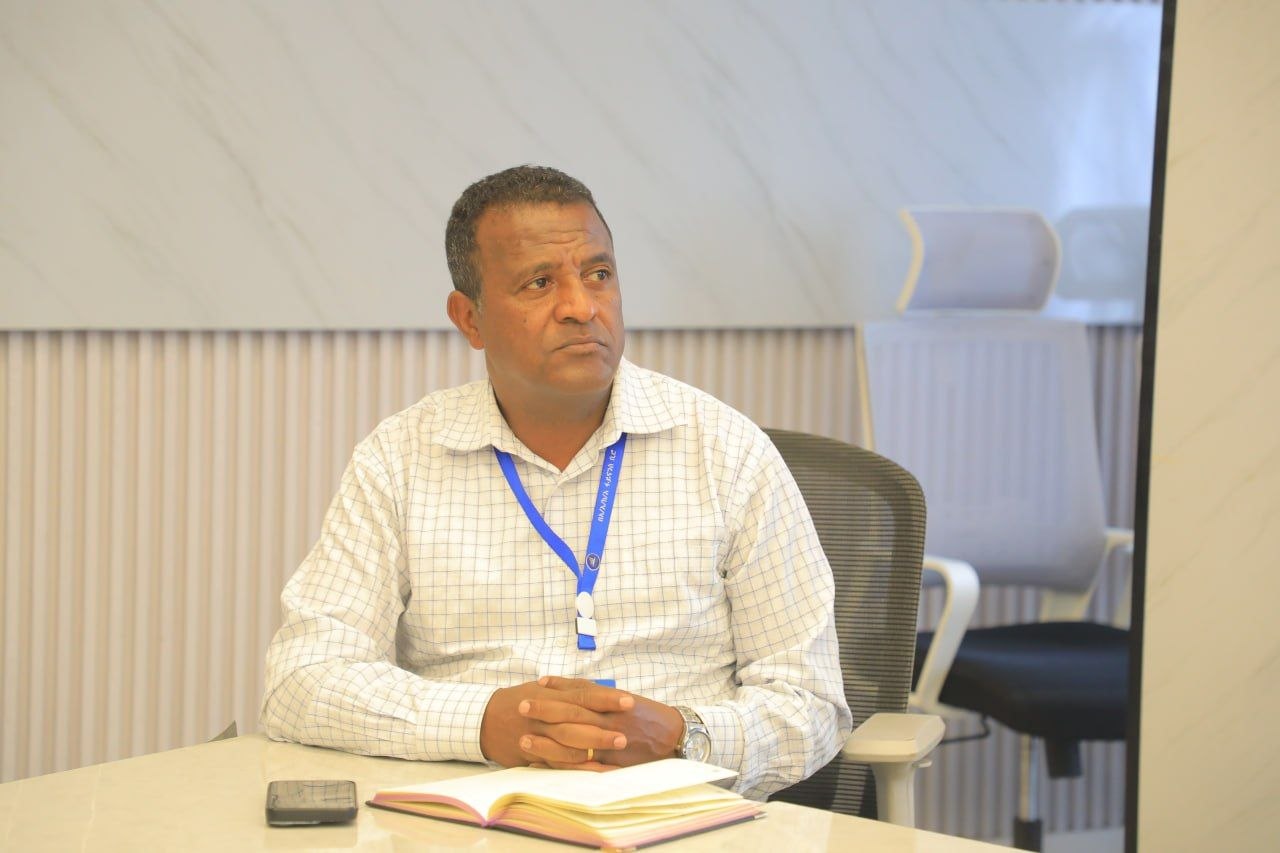
Efforts Underway to Achieve Better Results by Addressing Good Governance Challenges and Preventing Malpractice Through Research The Bureau’s Good Governance Plan Execution and Anti-Corruption/Malpractice Performance Reviewed Hidar 15/2019 E.C The Addis Ababa City Administration Finance Bureau’s good governance plan performance for the first quarter of the 2019 E.C. fiscal year and the month of Tikimt (October/November) was presented by Ato Ashenafi Tadesse, Director of the Change and Good Governance Directorate. In the report, he noted that out of the five major identified and approved challenges, issues concerning procurement grievance handling, transparency and media accessibility, coordinated workflow and a conducive work environment, rectification of audit findings, and the SIMAD agreement were resolved during the first quarter, while the remaining issues will be addressed according to the set schedule. During the forum, a report on the prevention of theft and malpractice was also presented by Ato Zelalem Habte, Director of the Ethics and Anti-Corruption Directorate, followed by an extensive discussion. Ato Fikadu Hailegiorgis, Advisor to the Finance Bureau, stated that clear procedures are already in place outlining how good governance issues should be resolved, emphasizing that both leadership and staff must work diligently to solve problems in accordance with these established principles. Ato Fikadu highlighted two fundamental areas requiring focus: strengthening the system for building good governance and proactively preventing corruption and malpractice through research and strategic planning. At the conclusion of the forum, Ato Yosef Tale, Deputy Head of the Finance Bureau (with the rank of Bureau Head), outlined future work directions, including strengthening the rectification of audit findings, keeping the budget allocation system timely in accordance with the financial calendar, and reducing the volume of overdue receivable and payable accounts. He also urged every director and expert to register assets using modern methods via the asset registration software and to digitalize the document management system.